Handicap Ramp Installation in Wilmington, NC
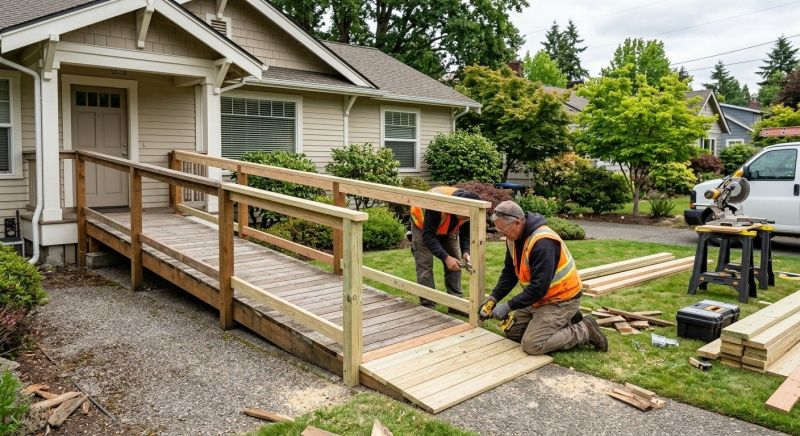
Handicap ramp installation services provide practical solutions for making residential and commercial properties more accessible for individuals with mobility challenges. These projects typically involve constructing ramps that connect entryways to walkways, porches, or driveways, ensuring safe and convenient access. Property owners often seek these services when installing new ramps, replacing older or damaged ones, or modifying existing entrances to meet accessibility needs. It’s important for homeowners to consider factors such as the location of the ramp, the type of materials used, and the overall design to ensure it fits seamlessly with the property’s layout and aesthetic.
Before requesting handicap ramp installation, property owners usually want to understand the specific requirements for their space, including the preferred slope and dimensions, as well as any local building codes or regulations that may apply. They should also consider the type of wheelchair or mobility device that will use the ramp, to ensure it provides adequate support and safety. Clear communication about the desired outcome, along with site details such as terrain and entryway structure, helps facilitate a smooth installation process and a final result that improves accessibility and convenience.
Many property owners in Wilmington, NC look into Handicap Ramp Installation for repairs, replacements, upgrades, and appearance-related improvements.
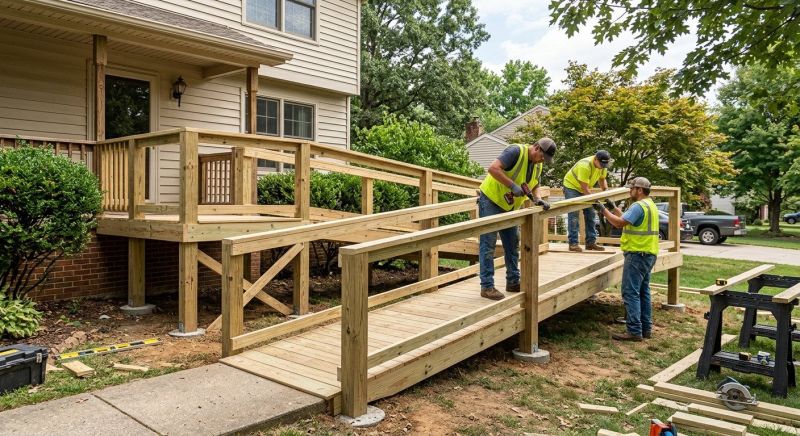
Accessibility Improvements
Handicap ramp installations enhance safety and ease of access for mobility-challenged individuals.
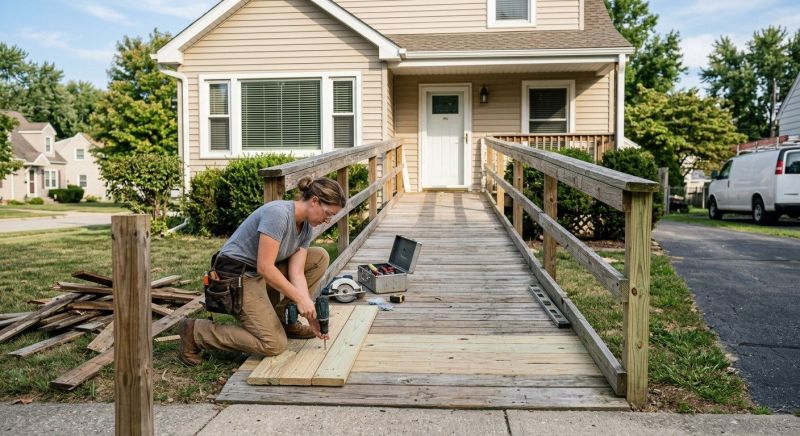
Custom Ramp Solutions
Ramps can be tailored to fit various property types, including residential homes and commercial buildings in wilmington.
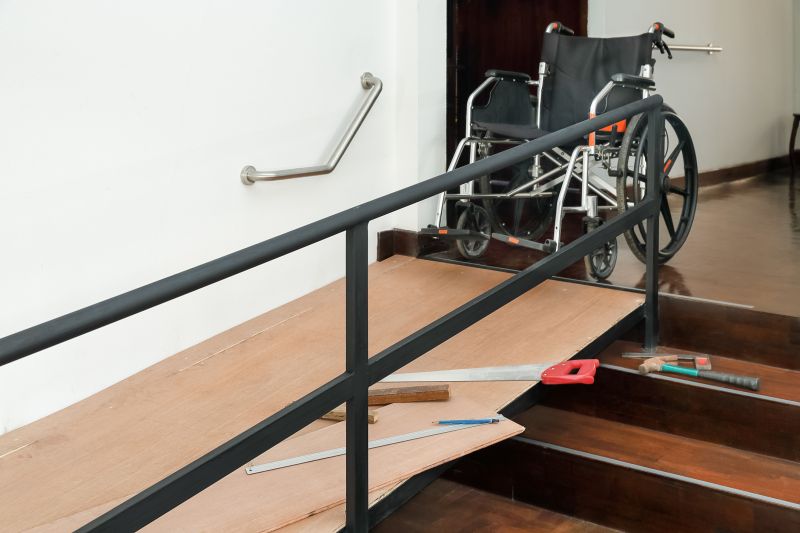
Durable Construction
These ramps are built with weather-resistant materials to withstand coastal conditions and ensure long-term use.
Handicap Ramp Installation in Wilmington, NC
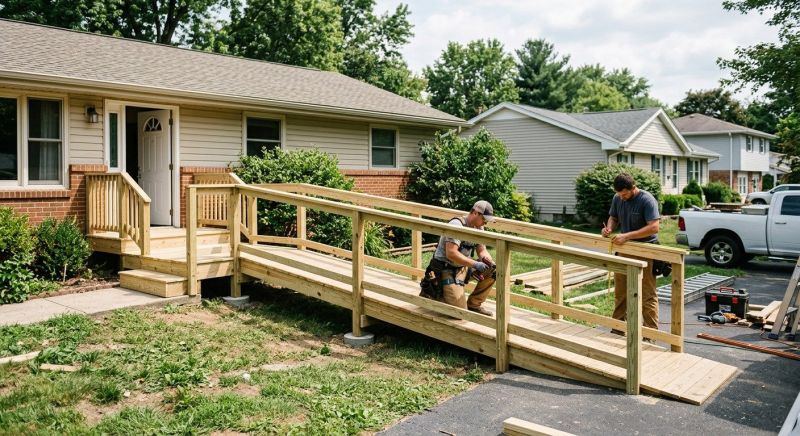
Handicap ramp installation services provide practical solutions for making residential and commercial properties more accessible for individuals with mobility challenges. These projects typically involve constructing ramps that connect entryways to walkways, porches, or driveways, ensuring safe and convenient access. Property owners often seek these services when installing new ramps, replacing older or damaged ones, or modifying existing entrances to meet accessibility needs. It’s important for homeowners to consider factors such as the location of the ramp, the type of materials used, and the overall design to ensure it fits seamlessly with the property’s layout and aesthetic.
Before requesting handicap ramp installation, property owners usually want to understand the specific requirements for their space, including the preferred slope and dimensions, as well as any local building codes or regulations that may apply. They should also consider the type of wheelchair or mobility device that will use the ramp, to ensure it provides adequate support and safety. Clear communication about the desired outcome, along with site details such as terrain and entryway structure, helps facilitate a smooth installation process and a final result that improves accessibility and convenience.
Many property owners in Wilmington, NC look into Handicap Ramp Installation for repairs, replacements, upgrades, and appearance-related improvements.
Common Handicap Ramp Installation Jobs
Handicap Ramp Installation - provides accessible entry solutions for homes and businesses.
Residential ramps - improve safety and ease of access for mobility-impaired residents.
Commercial ramps - ensure compliance with accessibility standards for customers and employees.
Portable ramps - offer flexible options for temporary or multi-location access needs.
Custom ramp design - accommodates unique property layouts and specific mobility requirements.
Surface options - include slip-resistant materials for enhanced safety in various weather conditions.
Handicap Ramp Installation Questions
What types of properties need handicap ramp installation? Properties such as homes, apartments, and commercial buildings may require ramps to improve accessibility for individuals with mobility challenges.
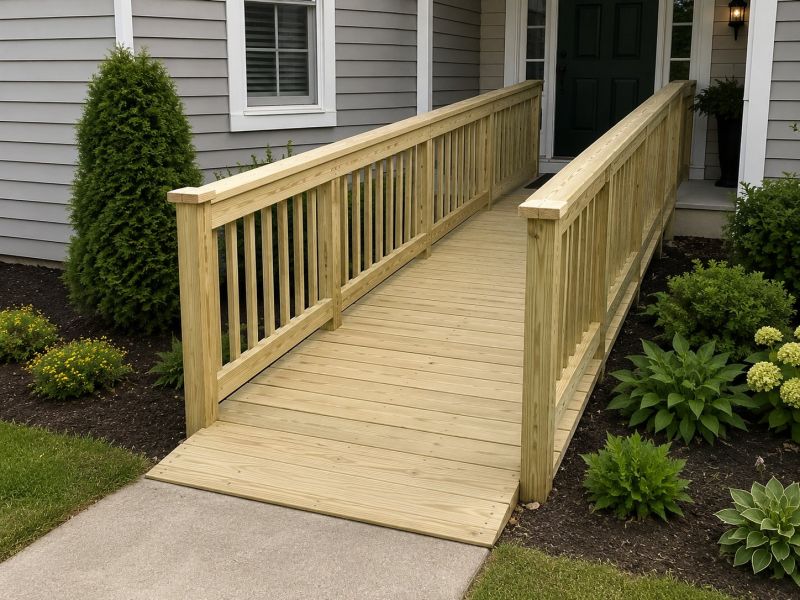
What materials are commonly used for handicap ramps? Common materials include aluminum, wood, and concrete, chosen for durability and suitability to the property’s environment.
How does the installation process typically proceed? The process involves assessing the site, designing the ramp, and then constructing it to meet accessibility standards and property specifications.
Are there different ramp styles available? Yes, options include straight, L-shaped, and multi-level ramps to accommodate various property layouts and user needs.
Request Handicap Ramp Installation in Wilmington, NC
Use the quote form on this page to share the basics of your project and request more information for the type of work you need.