Get Subfloor Replacement
Subfloor replacement services involve local contractors repairing or replacing damaged or rotting subfloors in residential or commercial buildings to ensure safety and stability.
If you are considering a subfloor replacement, you are in the right place to explore your options. Property owners in the area often face situations where the existing subfloor has become damaged, weakened, or uneven, affecting the stability and safety of the entire flooring system. Planning such a project requires careful assessment and comparison of local contractors who specialize in subfloor work, ensuring that the chosen service providers can meet your specific needs with quality results. Continuing to review your options can help you make informed decisions about the best approach for your property.
Finding reliable local contractors for subfloor replacement is an important step in maintaining the integrity of your space. Whether addressing moisture issues, structural concerns, or preparing for new flooring installation, understanding the available services can help ensure the work is completed properly. Keep reading to learn more about the services offered by local professionals and how they can assist with your project planning and execution.
- Subfloor Replacement - needed when a damaged or rotting subfloor affects the stability of your flooring.
- Subfloor Repair - required if water damage or mold has compromised the subfloor structure.
- Subfloor Installation - necessary during home renovations or when upgrading to a new flooring system.
- Subfloor Restoration - appropriate after flooding or other incidents that weaken the subfloor’s integrity.
- Subfloor Leveling - needed if uneven flooring causes creaks or instability in the living space.
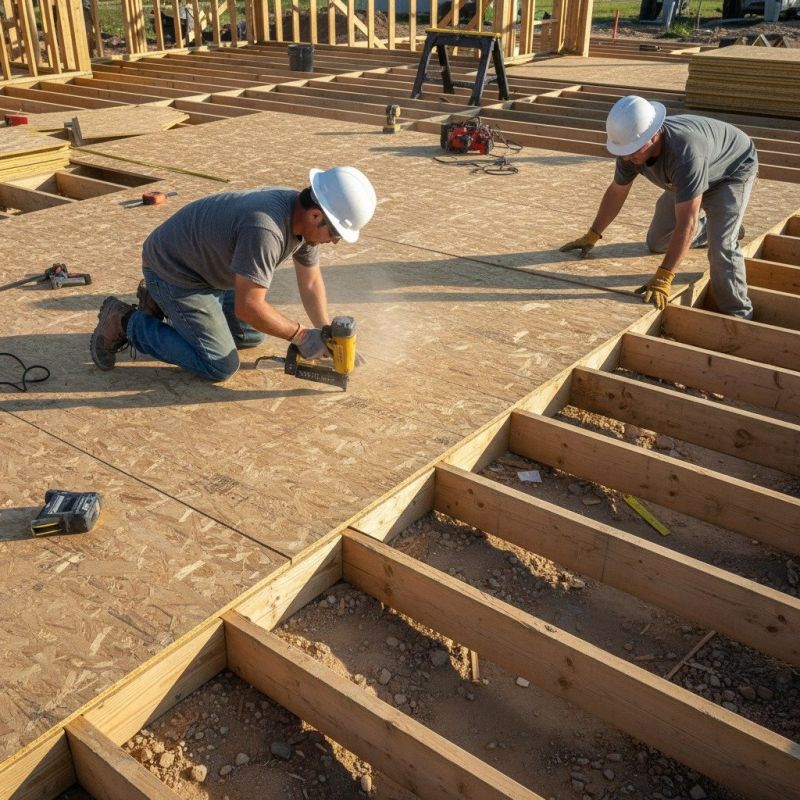
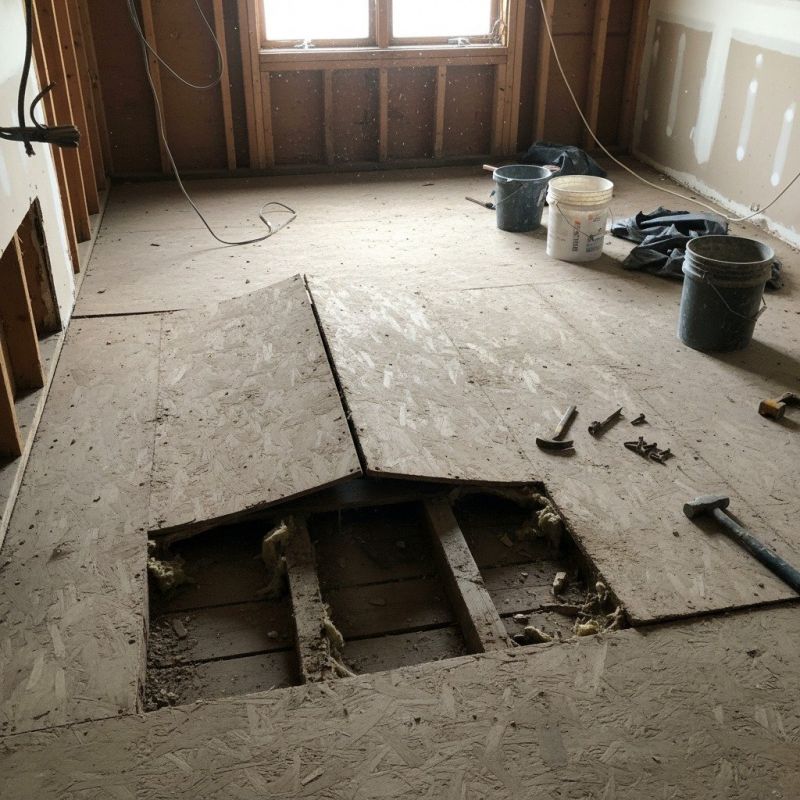
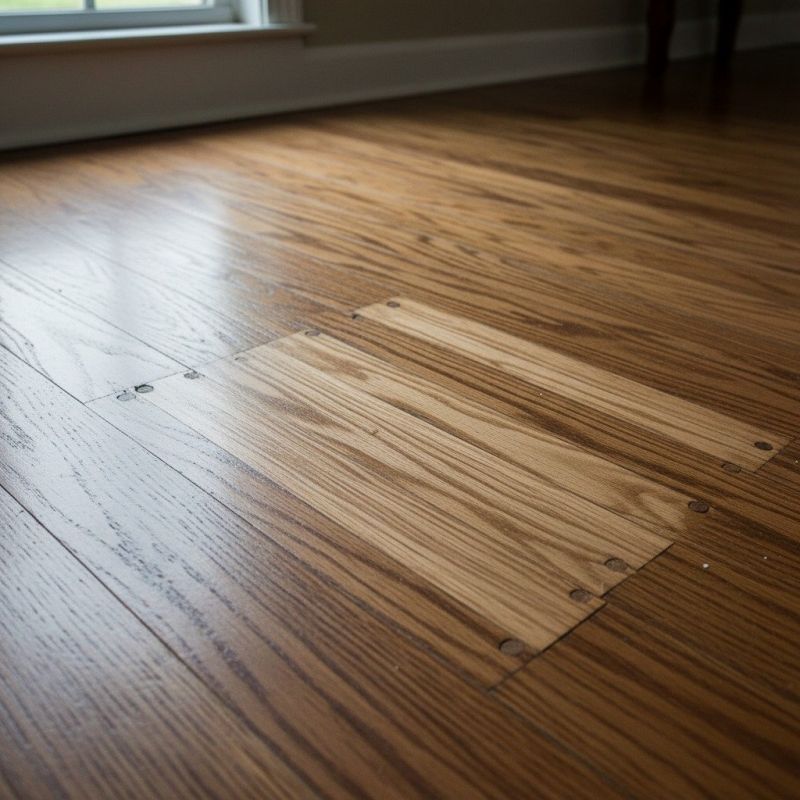
Subfloor replacement services involve removing and installing new subflooring beneath the finished flooring in a property. This process typically begins with inspecting the existing subfloor to identify damage or deterioration. Once assessed, damaged sections are carefully removed, and new subfloor material-such as plywood or oriented strand board (OSB)-is installed to create a stable and level foundation. This service ensures that the underlying structure is sound, providing a solid base for the finished floors above.
Many property issues can be resolved through subfloor replacement. Common problems include water damage from leaks or flooding, which can cause the wood to rot, warp, or develop mold. Structural weaknesses from age or heavy use can lead to sagging or uneven floors, increasing the risk of tripping or further damage. Additionally, pest infestations like termites may compromise the integrity of the subfloor. Replacing the subfloor can restore safety, improve the appearance of the floors, and prevent more costly repairs down the line.
Subfloor replacement is often needed in residential properties such as homes, apartments, and condominiums, especially in areas prone to moisture or water exposure like basements, kitchens, and bathrooms. It can also be relevant in commercial buildings, particularly in spaces where heavy foot traffic or moisture exposure has caused damage. Properties with ongoing issues like squeaky floors, uneven surfaces, or persistent mold growth may benefit from this service. Having a properly installed subfloor helps maintain the durability and safety of the entire flooring system.
Homeowners who notice signs of damage, such as soft spots, sagging, or persistent odors, should consider consulting local contractors about subfloor replacement. This service can address underlying problems that affect the stability and safety of floors, ensuring a solid foundation for new flooring installations. Connecting with experienced service providers can help determine whether a subfloor replacement is necessary and ensure the work is completed correctly, providing peace of mind for property owners seeking long-term solutions.
The overview below groups typical Subfloor Replacement projects into broad ranges so you can see how smaller, mid-sized, and larger jobs often compare in your area.
In many markets, a large share of routine jobs stays in the lower and middle ranges, while only a smaller percentage of projects moves into the highest bands when the work is more complex or site conditions are harder than average.
Smaller Repairs - for minor subfloor repairs, local contractors often charge between $250 and $600. Many routine jobs fall within this range, covering patching or replacing small sections of damaged subflooring.
Moderate Replacement - replacing larger sections or sections affected by water damage typically costs between $1,000 and $3,000. Most projects of this size fit into this range, though complexity can push costs higher.
Full Subfloor Replacement - a complete subfloor replacement usually ranges from $4,000 to $8,000, depending on the size of the area and materials used. Larger, more complex projects can reach $10,000+ but are less common.
Complex or Custom Jobs - highly intricate or custom subfloor replacement projects can exceed $10,000, especially in large or multi-room installations. These are less frequent but handled by experienced local service providers.
Actual totals will depend on details like access to the work area, the scope of the project, and the materials selected, so use these as general starting points rather than exact figures.
Flooring Installation - Professionals experienced in flooring installation often handle subfloor preparation and replacement as part of their projects, ensuring a stable base for new flooring materials.
Basement Finishing - Basement finishing projects require subfloor repairs or replacement to create a solid foundation for walls, flooring, and fixtures.
Bathroom Remodels - Bathroom renovations frequently involve subfloor replacement to address water damage and ensure a durable surface for new fixtures and flooring.
Kitchen Renovations - Kitchen upgrades may include subfloor repairs to support new cabinets, appliances, and flooring, requiring similar planning and skill sets.
Tile and Hardwood Flooring - Installing tile or hardwood often involves subfloor prep or replacement to provide a level, secure surface for the finished flooring.
Water Damage Repairs - Addressing water damage in a property typically involves replacing compromised subfloor sections to restore structural integrity.
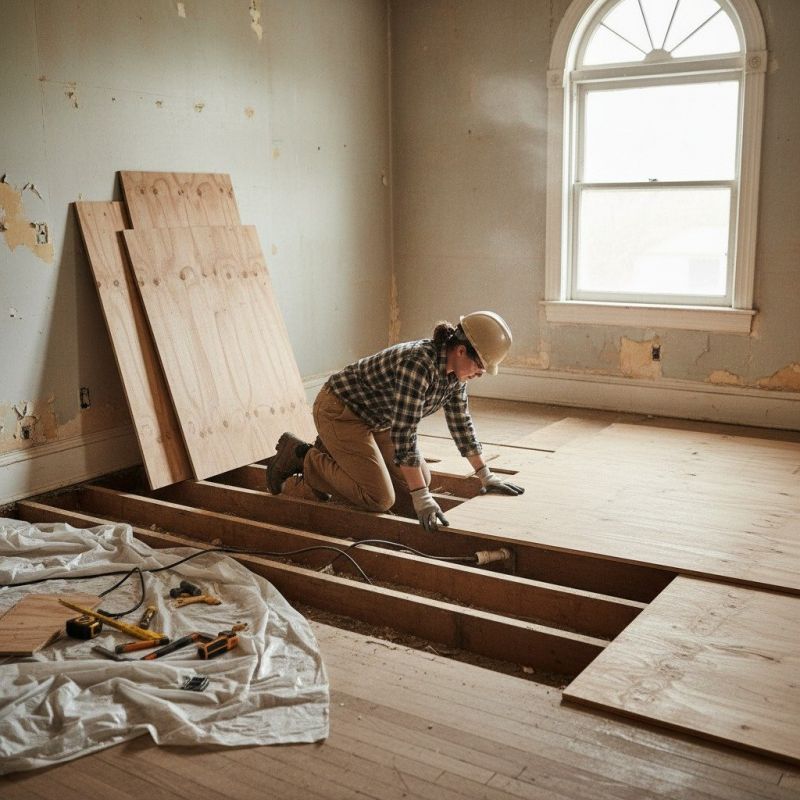
When comparing local contractors for subfloor replacement, it’s important to consider their experience with similar projects. Homeowners should look for service providers who have a proven track record of handling subfloor repairs or replacements in residential settings. An experienced contractor will be familiar with the common challenges of subfloor work and can offer insights into best practices, ensuring the project is completed effectively and with quality results.
Clear written expectations are essential when evaluating potential service providers. Homeowners should seek contractors who can provide detailed descriptions of the scope of work, materials to be used, and the steps involved in the project. Having this information in writing helps prevent misunderstandings and ensures that both parties are aligned on what the project entails, leading to a smoother process from start to finish.
Reputable references and good communication are key factors in choosing a reliable service provider. Homeowners are encouraged to ask for references from previous clients who had similar work done and to inquire about their experiences. Additionally, service providers who communicate clearly, respond promptly, and are transparent about their process tend to be more dependable. These qualities help foster trust and confidence that the project will be managed professionally, with attention to detail and responsiveness throughout the process.
Property owners use Subfloor Replacement services for practical projects around their homes and businesses. This guide focuses on everyday jobs and straightforward project options.
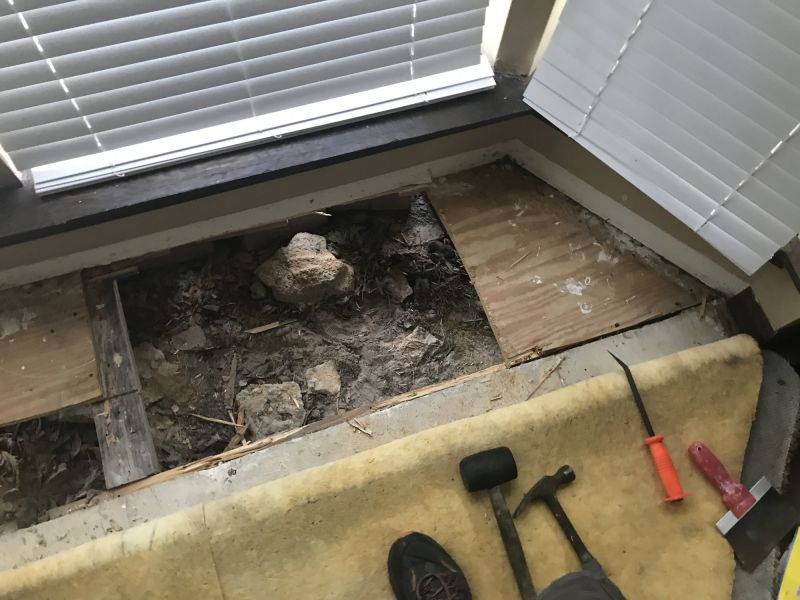
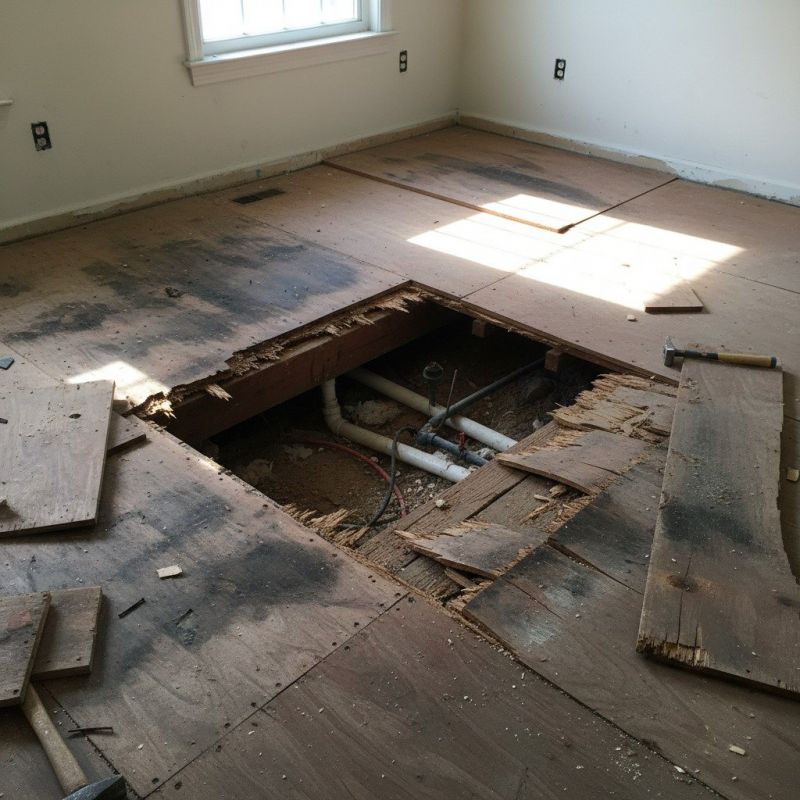
Subfloor replacement services are often needed when property owners notice issues like uneven floors, creaking sounds, or visible damage beneath their flooring. These problems can arise from moisture exposure, prolonged wear and tear, or previous water leaks that compromise the stability of the subfloor. Local contractors specializing in subfloor work can assess the situation and provide solutions to restore a safe, level foundation for flooring installations or repairs.
Homeowners and property managers might seek subfloor replacement when renovating a space, preparing for new flooring, or addressing structural concerns. Damaged subfloors can lead to further issues if left unaddressed, making professional assessment and replacement essential. Local service providers can handle these projects efficiently, helping to ensure the integrity of the building’s interior and providing a solid base for future flooring upgrades.
What are signs that a subfloor needs replacement? Indicators include visible sagging, squeaking floors, persistent odors, or cracks in the flooring surface, which may suggest underlying damage requiring professional assessment.
How do professionals handle subfloor replacement? Local contractors typically remove damaged sections, prepare the area, and install new subfloor material to ensure stability and proper support for the finished flooring.
Is subfloor replacement necessary for all types of flooring? Not necessarily; the need depends on the extent of damage beneath the surface. A professional can evaluate whether replacement is the best solution for your situation.
What materials are used for subfloor replacement? Common options include plywood, oriented strand board (OSB), or other engineered wood products, selected based on the existing structure and specific project requirements.
Can subfloor replacement be combined with other flooring repairs? Yes, many local service providers offer comprehensive services that include subfloor repair or replacement along with installing new flooring or addressing related issues.
Subfloor Replacement for Renovations - When updating a room or preparing for new flooring, local contractors can replace damaged or outdated subfloors to ensure a solid foundation.
Addressing Water Damage - In cases of leaks or flooding, property owners can have local pros replace compromised subfloor sections to restore stability and safety.
Preparing for Flooring Installation - Before installing new flooring, homeowners can work with service providers to replace old or uneven subfloors for a smooth, level surface.
Remediation of Structural Issues - If a property shows signs of sagging or unevenness, local contractors can assess and replace subfloor sections to improve the building’s integrity.
If you are thinking about Subfloor Replacement for a property, this guide is meant to help you understand the work, the typical project types, and how different options might fit your plans.
When you are ready, you can use the quote form on this page to share a few details about your project. From there, local pros can review the basics and respond with options that match what you have in mind.